Private lesson chair

Let's map your face before the brush touches skin.

Tell me what you see in the mirror. I'll coach the shade lane, eye placement, liner path, and sculpting map the way a working makeup artist would talk you through it at the chair.

Shade lane

Medium depth with neutral undertone

Compare one warm and one cool shade, then split the difference.
Today's look

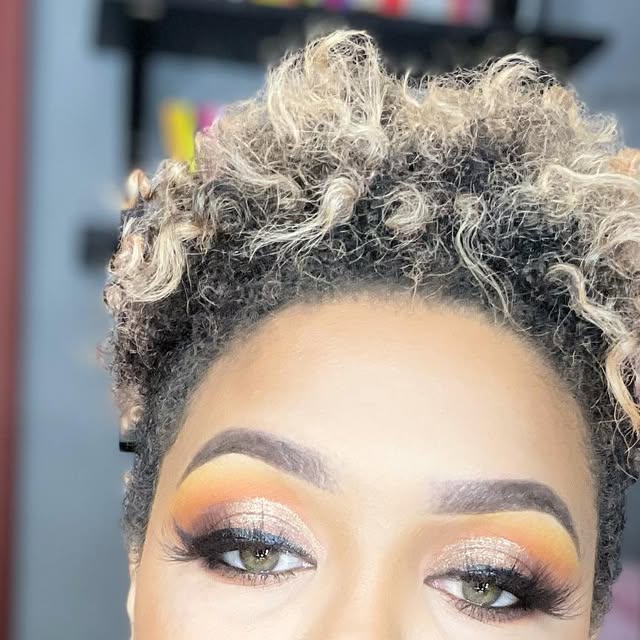
Get Your Glam On

Everyday soft glam polish with almond eye map placement.

Practice focus

50/50 blending rule

A full technique lesson with one look outcome.

Refine your profile

Your chair settings shape every recommendation below.

Choose the depth, undertone, shapes, and practice mood you want the lesson to follow.

Your lesson plan

Beginner Soft glam starter

I will keep the plan simple: place first, blend second, sharpen last. Move through the whole face map once, then repeat the hardest step.

Practice look: Get Your Glam On

Base lane

Medium depth with neutral undertone

Start in the medium range, then choose formulas described as balanced beige, peach, or brown with no strong cast.

  • Swatch cheek-to-jaw and let the base dry down before judging.
  • Compare one warm and one cool shade, then split the difference.
  • Check that the face, neck, and chest read as one color family.

Eye map

Almond eye map

Keep the deepest shade on the outer third and blend it slightly upward.

  • A kitten wing or classic wing follows the natural lash line without changing the eye shape.
  • Add one color pop on the inner corner, lower lash line, or outer wing.
  • Use the 50/50 rule anywhere two shadows touch.

Color wheel

Neutral undertone color choices

Neutral undertones can usually borrow from both warm and cool families, but the finish looks best when one temperature leads the look.

  • Use analogous color by choosing one lane for the day: rose-to-plum for soft cool glam or peach-to-bronze for warm glam.
  • Use complementary contrast in small doses: blue liner with bronze shadow, berry lip with golden skin, or olive smoke with soft pink cheek.
  • Pick one opposite-side color as the accent and keep the rest of the look in your undertone family.

Face map

Oval highlight and contour

Use soft contour under the cheekbones and a light touch around the forehead.

  • Highlight the center of the forehead, tops of cheekbones, bridge of nose, and center of chin.
  • Blend edges into blush so the face keeps its natural balance.
  • Step back from the mirror before adding more depth.

Practice look

Get Your Glam On

Build a matte socket, press shimmer only on the center lid, and keep liner close to the lashes.

  • Use one fluffy brush, one flat brush, one liner brush, and a sponge.
  • A full technique lesson with one look outcome.
  • Take one front-facing photo and one side-angle photo to check balance.

Real-time AI feedback

Practice, check, adjust, repeat.

The live mirror steadies the face with landmark cues first, then the AI coach reads a still frame and gives artist-style notes on visible technique while the makeup is still on the face.

Live landmark mirror

Loading the camera coach.

The live mirror loads in the browser so it can access the camera and landmark engine safely.

AI still-frame coach

Send the current look for deeper artist notes.

Feedback focus: 50/50 blending rule; Medium depth with neutral undertone; Almond eye map; Oval highlight and contour; Everyday soft glam.

What the mirror looks for

Fast artist notes on the step that is on your face right now.

  • Complexion match, undertone harmony, and whether the base reads seamless.
  • Eyeshadow placement for the selected eye shape and current lesson track.
  • Wing angle, liner thickness, contour map, and blend quality.
  • One next drill so the learner improves step by step instead of all at once.

Color wheel basics

Use the wheel to choose harmony, contrast, and correction.

Undertone is your starting temperature. The color wheel helps you decide whether to stay close for a soft look, cross the wheel for contrast, or use an opposite color to neutralize unwanted tones.

Neighbors = blend and harmonyOpposites = pop or correctionTemperature = undertone direction

For this undertone

Neutral undertone color choices

Neutral undertones can usually borrow from both warm and cool families, but the finish looks best when one temperature leads the look.

  • Use analogous color by choosing one lane for the day: rose-to-plum for soft cool glam or peach-to-bronze for warm glam.
  • Use complementary contrast in small doses: blue liner with bronze shadow, berry lip with golden skin, or olive smoke with soft pink cheek.
  • If a foundation shade leans too warm or too cool, compare it against one opposite-temperature shade before mixing.
  • Pick one opposite-side color as the accent and keep the rest of the look in your undertone family.

Kits and personal shopper

Buy the kit, or let a shopper build the cart.

Each premade kit pairs tools, shade families, and practice products with the learner's technique path. The flat-rate personal shopper option builds a tailored cart when they want more guidance.

Checkout links are not wired yet, so these buttons open a prefilled request to hello@drunkenlipstick.com. Need a custom quote?

Flat-rate service

Personal Shopper

$99 flat

A tailored shopping list for the learner's shade lane, undertone, eye shape, face shape, goal, and budget.

Current brief: Medium depth with neutral undertone; Almond eye map; Oval highlight and contour; Everyday soft glam.
  • Foundation shade lane and undertone-safe base options
  • Eyeshadow colors matched to their color wheel comfort level
  • Liner, brush, highlight, and contour recommendations
  • Premade kit comparison with keep, swap, and skip notes
  • One final cart review before they buy
Request personal shopper

Booking requests go straight to hello@drunkenlipstick.com.

Also works

Color Theory Play Kit

$99

A guided color kit for undertone-friendly pops, 50/50 blending, and creative eye placement.

Match score: 95%
  • Warm, cool, and neutral transition shades
  • Six color-wheel accent shadows
  • White and deep brown eye bases
  • Detail brush, pencil brush, and fluffy blender
  • Mini color wheel card for undertone choices
Request this kit

Order requests go straight to hello@drunkenlipstick.com.

Also works

Classic Liner + Sculpt Kit

$89

A precision kit for traditional eyeliner looks, face-shape contour, and polished soft glam.

Match score: 95%
  • Gel liner pot, pencil liner, and felt-tip liner
  • Angled liner brush and cleanup brush
  • Matte brown mini palette
  • Cream contour and brightening corrector
  • Reusable liner mapping stickers
Request this kit

Order requests go straight to hello@drunkenlipstick.com.

Shade and undertone

Find the shade that disappears, then check the undertone that stays.

A correct base should match the face, neck, and chest family after it dries down. If the depth is right but the undertone is wrong, it will still look like a mask.

Medium depth with neutral undertone

Compare one warm and one cool shade, then split the difference.

  • Swatch from lower cheek to jaw in natural light.
  • Wait for oxidation before judging the color.
  • Choose the swatch that does not turn orange, pink, gray, or ashy.
Foundation shade being mixed on a hand before applicationPhoto: Hoi An and Da Nang Photographer on Unsplash

Eye shape shadow map

Almond eye map

  • Shadow placement: Keep the deepest shade on the outer third and blend it slightly upward.
  • Traditional liner: A kitten wing or classic wing follows the natural lash line without changing the eye shape.
  • Creative option: Try floating crease color, halo shimmer, or graphic liner because the lid has balanced space.
  • Watch-out: Do not drag dark shadow too far below the lower lash line unless the look is intentionally smoky.

Highlight and contour

Oval highlight and contour

  • Contour: Use soft contour under the cheekbones and a light touch around the forehead.
  • Highlight: Highlight the center of the forehead, tops of cheekbones, bridge of nose, and center of chin.
  • Blend: Blend edges into blush so the face keeps its natural balance.

50/50 blending rule

Every new eyeshadow shade should meet the last shade halfway.

The trick is overlap. When shade two sits half on shade one and half on the next open space, the blend gets smooth without turning muddy.

  1. Lay down shade one.Press color where it belongs before blending the edge.
  2. Add shade two at 50/50.Half the brush touches shade one, half touches clean lid.
  3. Clean-brush finish.Use the clean brush only after pigment has already overlapped.

Lesson library

Choose the lesson you want me to coach next.

Make every shade meet the next shade halfway.

50/50 blending rule

  • Place the next shade with half the brush on the previous shade and half on clean skin.
  • Blend in small pressure-controlled circles or taps along that shared border.
  • Use a clean brush only after the colors overlap, so the blend stays rich instead of muddy.

Public pro video study

Borrow the method, not the script.

These cards point learners to public artist education across legendary Black artists and other globally respected pros, then turn the core technique into original chair-side practice notes for their own face map.

Source links are included for attribution and further study; the app lesson steps are rewritten as original coaching drills.

Lisa Eldridge

Tiny-tap liner control for a baby flick, kitten flick, or classic cat eye.

It turns traditional liner into a scalable skill instead of one all-or-nothing swipe.

  • Sketch the outer angle with shadow before committing to liquid liner.
  • Use tiny taps along the lash line, then thicken only after the line is even.
  • Choose baby, kitten, or full wing by changing the outer-third thickness.
Study the public source: Signature 'Kitten Flick' Eyeliner

Danessa Myricks

Shaping with light, color confidence, and complexion balance for deeper skin tones.

It centers women of color directly in the technique lesson instead of treating deeper skin as an afterthought.

  • Keep highlight and contour in believable skin-tone families so the face stays dimensional.
  • Use blush and color intentionally instead of muting the complexion into flat neutrals.
  • Build thin complexion layers so undertone and skin richness still read through the finish.
Study the public source: Danessa Myricks University - Mastering Makeup for Women of Color

Pat McGrath

Editorial placement with textured lashes, strategic bronzer, and high-impact focus points.

It shows that dramatic beauty still depends on controlled placement and clear focal points.

  • Choose one feature to push forward instead of making every area equally intense.
  • Place bronzer and warmth where the face naturally catches sun, then refine the edges.
  • Use lashes or liner as texture only after the complexion and structure are balanced.
Study the public source: How to Create Spider Lashes: Pat McGrath Makeup Tutorial

Katie Jane Hughes

Open-eye batwing mapping for hooded eyes.

It teaches learners to design liner for how the eye looks open, not only closed.

  • Keep the eye relaxed and open while mapping the outer wing.
  • Leave room for the fold so the liner does not disappear into the hood.
  • Refine with a small angled brush before layering liquid liner.
Study the public source: Hooded-eye winged liner study

Wayne Goss

Eye-shape diagnosis before shadow placement.

It reinforces that the same shadow map should change when lid space, fold, and brow bone change.

  • Look forward in the mirror and mark the visible crease zone first.
  • Keep depth slightly above the natural fold when the lid hides shadow.
  • Use a matte transition before shimmer so texture stays intentional.
Study the public source: This Is What a Hooded Eye Really Looks Like

Sir John

Fresh skin with bold color that stays bright without losing polish.

It balances strong color with breathable complexion work, which is perfect for learners moving from soft glam into creativity.

  • Keep base product concentrated only where the face needs evening out.
  • Let one vibrant shade lead while skin, brows, and lips stay clean and supportive.
  • Buff complexion with a soft brush so the finish looks alive instead of heavy.
Study the public source: Sir John's Bright Beauty Look Tutorial

Hung Vanngo

Wearable bold color anchored by polished skin and clean lash definition.

It shows how a saturated color can feel elegant when the rest of the face supports it.

  • Prep complexion first so bold eye color has a polished frame.
  • Keep one strong color as the focal point instead of competing brights everywhere.
  • Finish with controlled lashes, brows, and cheek color so the eye remains the lead.
Study the public source: Bold Blue Eye Makeup For Everyone

Charlotte Tilbury

Light-and-shade sculpting through cheek, forehead, jaw, and nose placement.

It connects contour placement to face structure instead of treating contour like a stripe.

  • Place contour where a natural shadow should sit for the learner's face shape.
  • Blend cheek contour upward toward the ear so the face reads lifted.
  • Keep the formula sheer and buildable so the map can be corrected before setting.
Study the public source: Hollywood Contour Wand application

Step-by-step PDF references

The look packs become practice drills.

The PDFs you shared are treated as inspiration themes here, then translated into original coaching drills for shape, color placement, and brush control.

Tropic Heat

Graphic tropical color with a citrus lid, green structure, and a red accent line.

Drill: Map the curve first, pack the lid second, then sharpen the accent line last.

90s Grunge

Smoky gray placement, strong black lift, and a pale carved crease.

Drill: Keep the black close to the lash line before diffusing gray into the crease.

Bold And Bright

Rainbow placement with a blue frame, warm lid, and bright inner pop.

Drill: Choose one color to lead the shape, then let every other color support that line.

Get Your Glam On

Soft glam structure with shimmer lid, brown depth, and lifted liner.

Drill: Build the matte socket first so shimmer has a clean place to land.

It's Giving Kim K

Sculpted neutral glam with a nude lip, dimensional cheek, and clean smoke.

Drill: Keep every edge softly buffed so the contour, eye, and lip feel airbrushed.

Neapolitan

Pink, cream, and cocoa tones blended like a dessert gradient.

Drill: Place the lightest tone between the pink and brown to keep the blend sweet, not muddy.

Popsicle Parade

Fruit-bright color blocking with a playful lower-lash accent.

Drill: Anchor the brightest shade near the focal point, then repeat it once for balance.

Poppin Candy

Candy brights with pastel contrast and crisp separation.

Drill: Use a tiny brush for borders and a fluffier brush only after each color is placed.

Pinky Promise

Monochrome pink haze with deeper berry smoke.

Drill: Move from pale pink to berry in small steps so the gradient stays plush.

New Year New Slay

Party-ready shine with smoked edges and a reflective focal point.

Drill: Do matte depth before shimmer, then press sparkle only where light should catch.

Very Vogue

Runway-style contrast with controlled liner and deliberate cheek polish.

Drill: Make one feature razor sharp and keep the surrounding complexion softly perfected.
Makeup artist applying eyeshadow to a model

Application

Coach the placement before adding intensity

Photo: Chidy Young on Unsplash
Creative red and green editorial eyeshadow look

Creative color

Turn eye shape rules into editorial choices

Photo: Peyman Shojaei on Unsplash
Colorful eyeshadow palette with saturated pigments

Pigment study

Build a color story before the first brush stroke

Photo: Neelakshi Singh on Unsplash

Pro chair habits

Pretty makeup still needs clean technique.

  • Wash hands before touching the face, eyes, or product pans.
  • Use clean brushes for each eye when irritation or infection is possible.
  • Patch test new complexion products before a full-face wear test.
  • Sanitize tools and avoid sharing mascara, liquid liner, or lip products.